
Your story
can go further.
Your life holds a particular way of seeing the world. The people you love. The reasons behind your choices. The experiences that changed your mind.
SEED begins with a private memory vault and reaches toward personal continuity, ultimately immortality. The life you preserve today could help you reconnect with yourself, shape a personal intelligence and open new ways to experience the world.
Explore the possibilities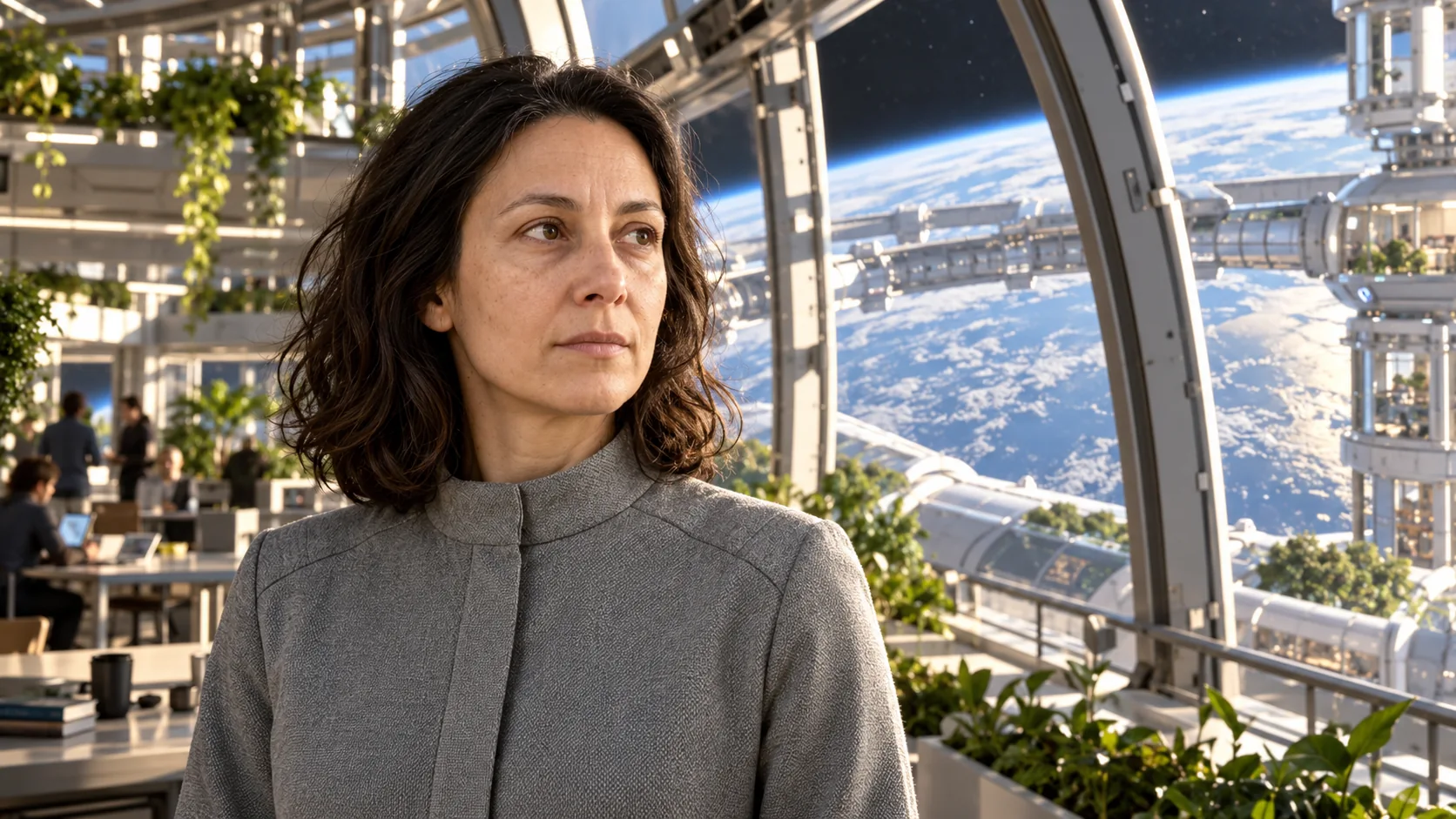
Keep a way back to yourself.
Hear your own voice explaining a photograph. Return to the people, places and moments you chose to preserve. When remembering becomes harder, an accessible companion could bring that context into daily life, at your pace.
Your brain changes throughout life. Many connections remain stable while learning reshapes others. Aging can weaken connections, and disease can damage the networks involved in memory.
Our ambition extends to supporting biological recall through future neural interfaces. Helping you revisit a recording, recover access to an existing memory and rebuild lost information are different challenges. We want to pursue each with the care it deserves.
A future version of you. Still becoming.
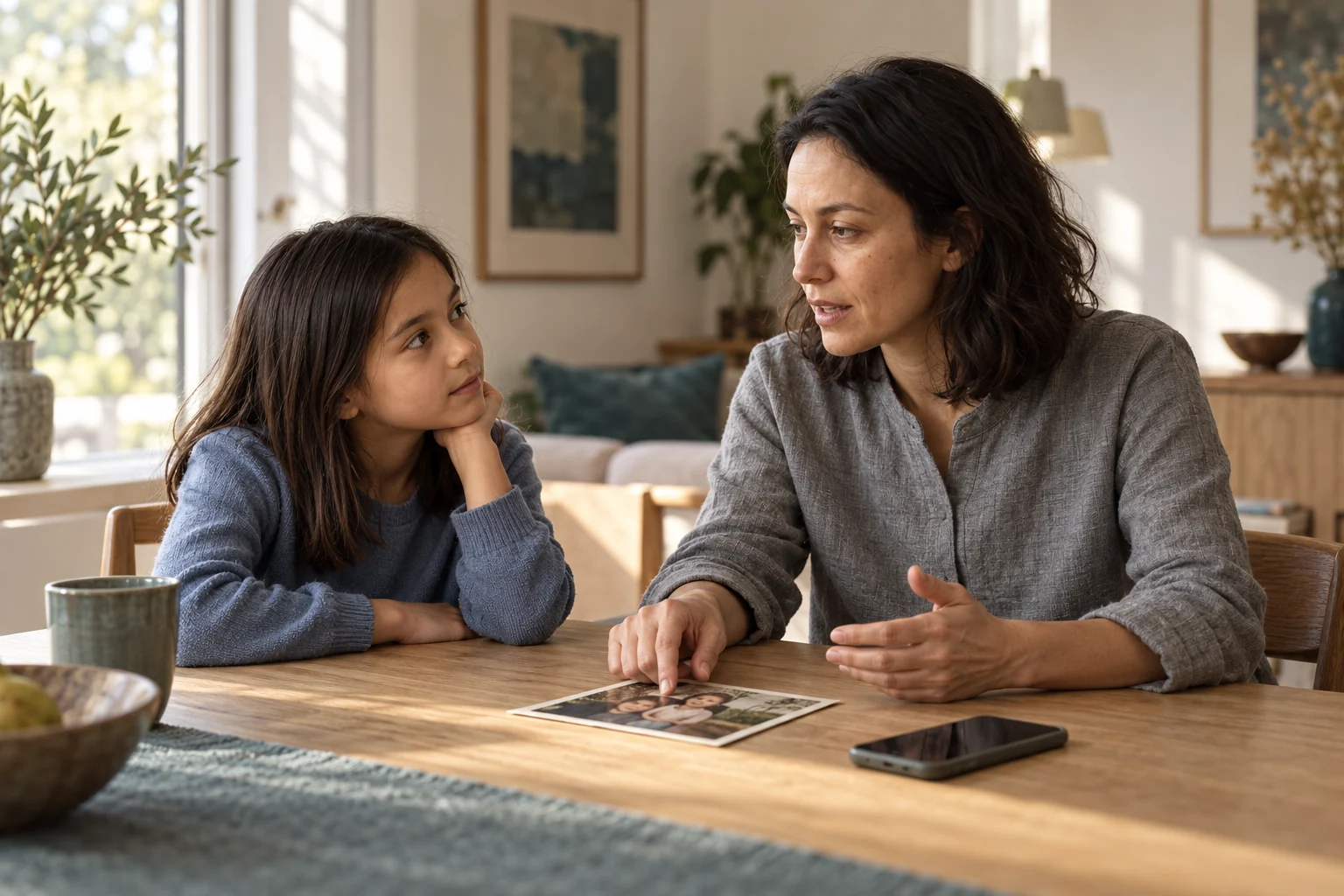
Imagine a personal intelligence shaped by your memories, values and perspective. You can question it while you are alive, correct what it misunderstands and decide what others may learn from it.
It could continue a project you began, form new relationships and change its mind. The experiences it gains would become new chapters of its own. Continuing consciousness is our furthest ambition; a faithful digital representation alone does not establish it.

Take part in the world again.
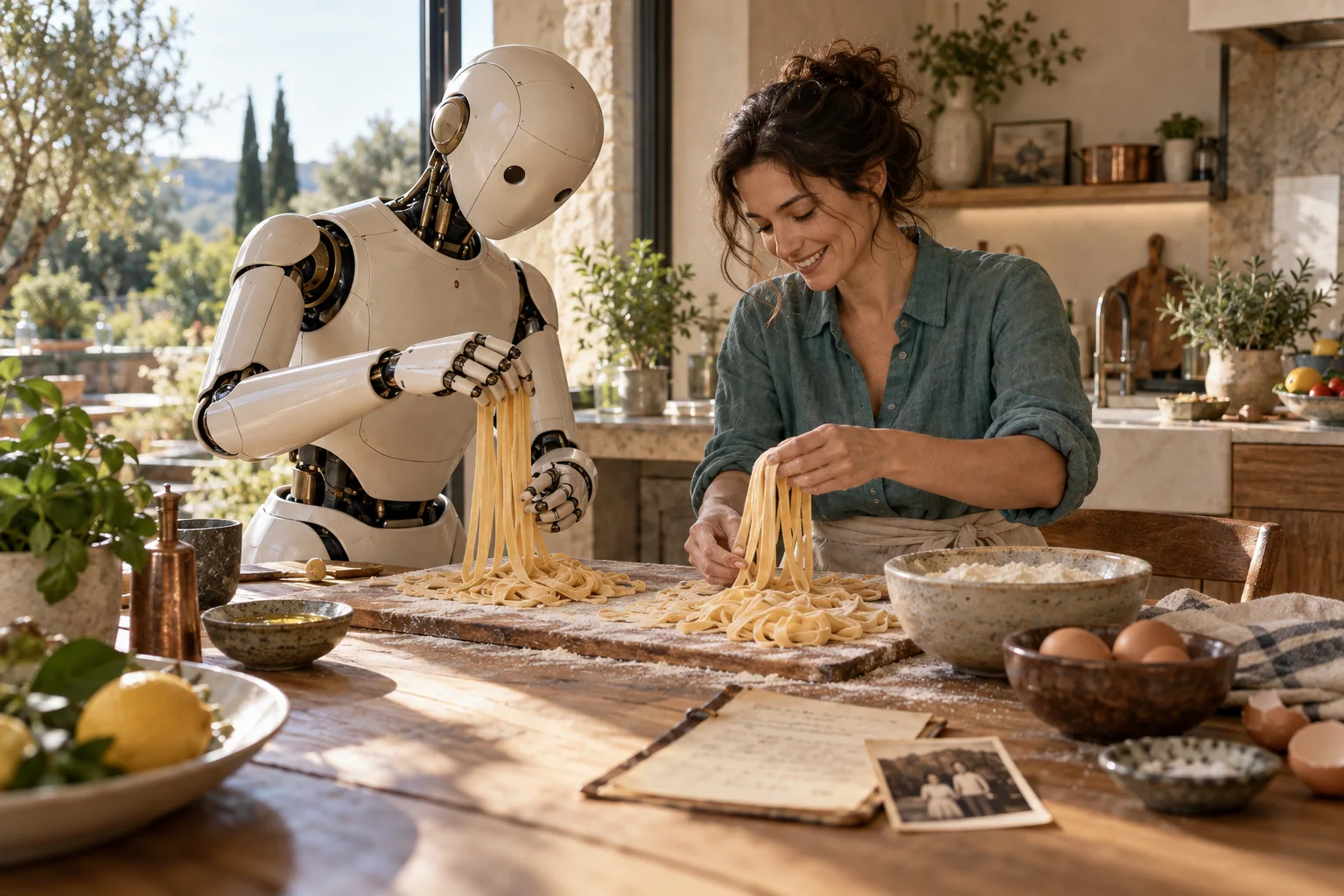
A physical presence could join a family in the kitchen, explain the recipe you preserved and learn how the next generation makes it. A robotic body would give a personal intelligence new ways to perceive, act and build experience.
You would choose its role, the memories it can use and the actions it may take. The ambition is a presence that participates in life, with understandable boundaries and people in control.
Explore another horizon of life.
Much later, we want to explore continuity in a biological body: helping sustain the original person, or investigating how personal intelligence might inhabit another biological form.
A body would be only part of that work. Memory, functioning neural connections and the experience of being yourself raise their own questions. This is a distant scientific frontier, with no established process for carrying a preserved life into a new brain.
A preserved life could help you return.
Imagine a future in which medicine can revive someone after cryopreservation, yet parts of their memory have been lost. Their own recordings could introduce them to a familiar world again. A personal AI trained on their saved history could support that relearning.
Any future revival would need to overcome damage from illness, lack of oxygen and preservation itself. An AI model would not, by itself, repair neural tissue or restore original memories. Revival and the ability to translate saved information into biological memories remain speculative possibilities.

You decide what carries forward.
Preserving your life should give you more say in its future. Keep an archive, share selected stories or choose whether a digital version of you should exist. Each form of representation and each new capability needs its own permission.
Your wishes can change. A future continuation may change too. Respecting that freedom, including the right to refuse, belongs at the heart of this work.
Explore identity and choiceWhat if another you had already lived ahead?
You return after a long absence. A digital version of you has spent those years learning, making friends and finishing the work you left behind. You recognize its memories. Its newest ones are unfamiliar.
Would you want to share them? Could you choose a different future? Our stories explore the human choices these technologies might bring, including who gets to tell your past and who decides what happens next.
Enter the storyStart with what only you can tell.
Record the story behind a photograph. Explain a choice that changed your life. Preserve your own words and the meaning they carry. Give the future something real to return to.
Meet your private vault